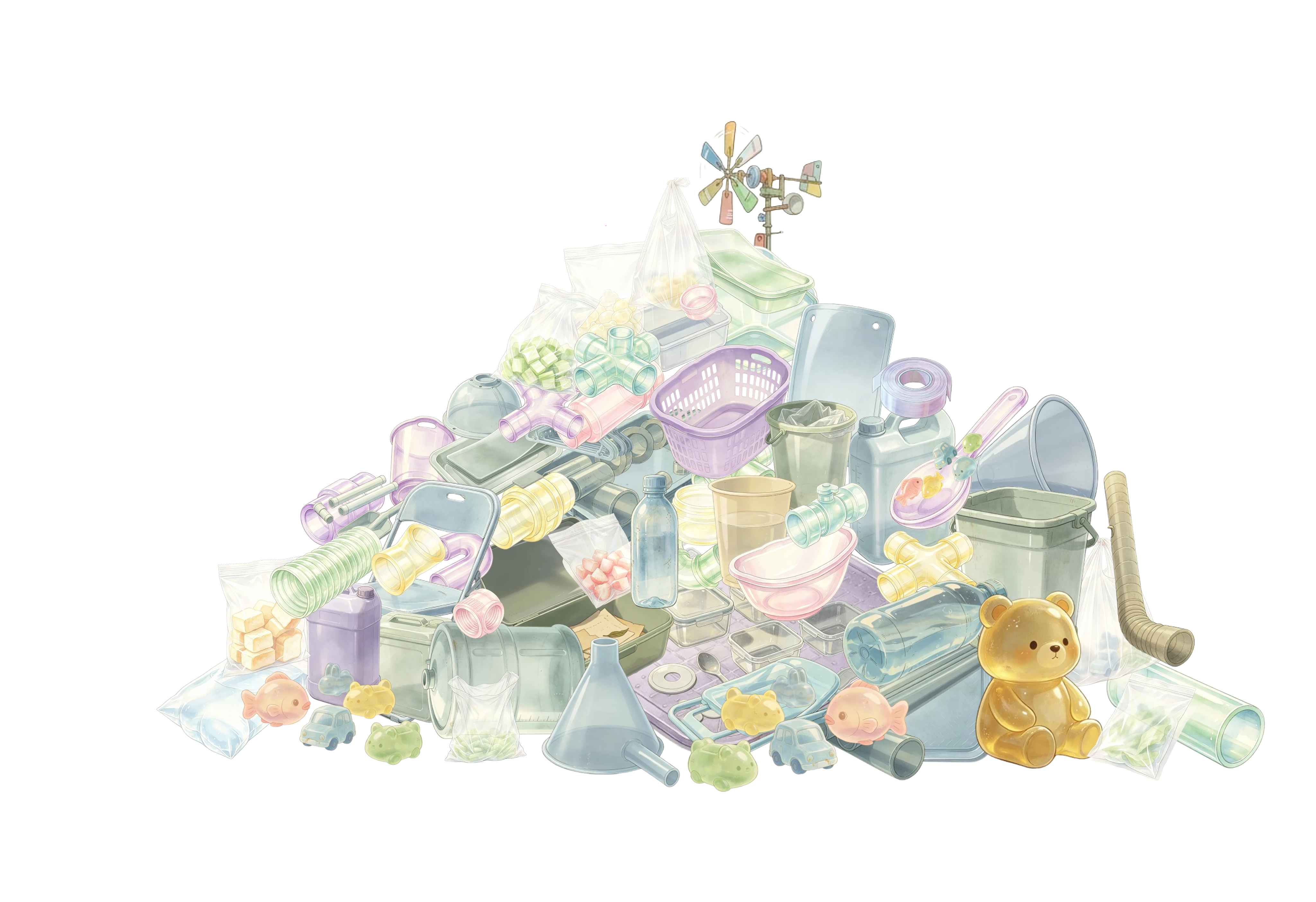
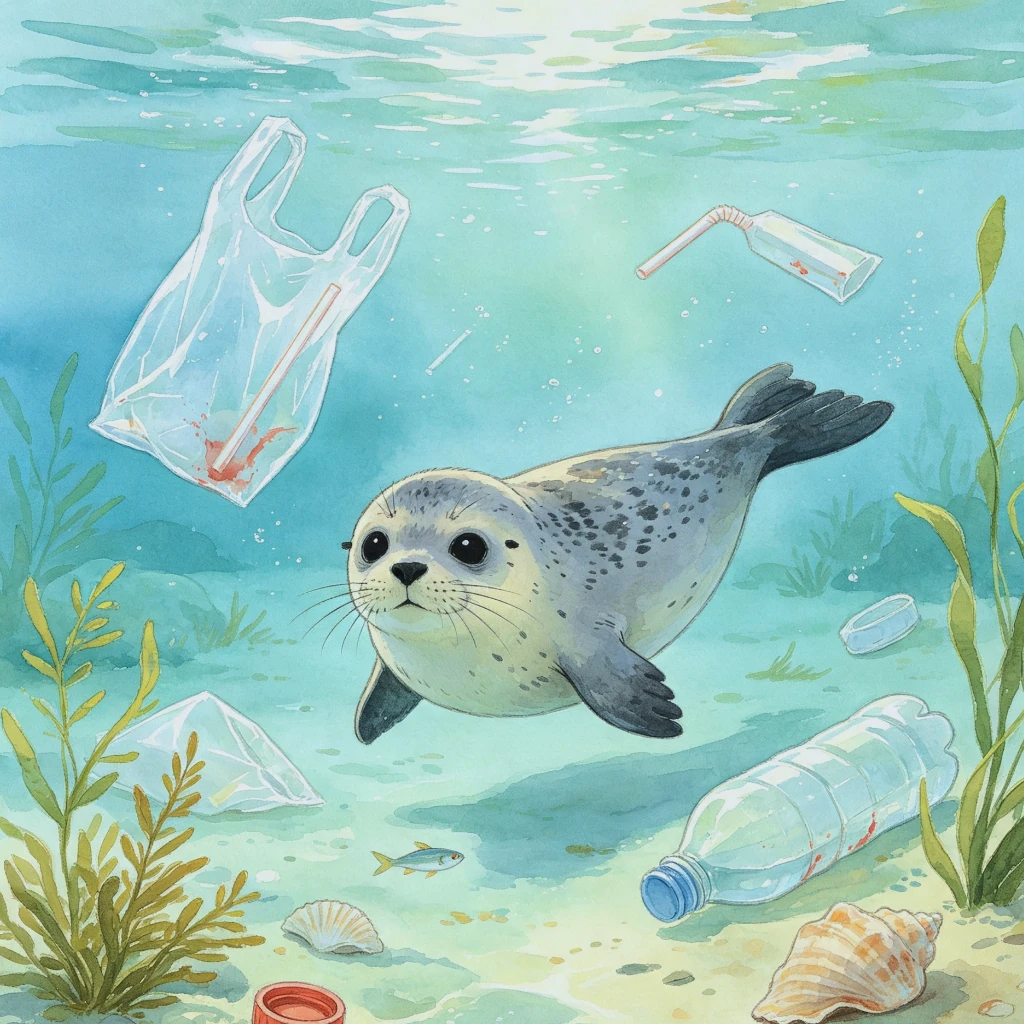
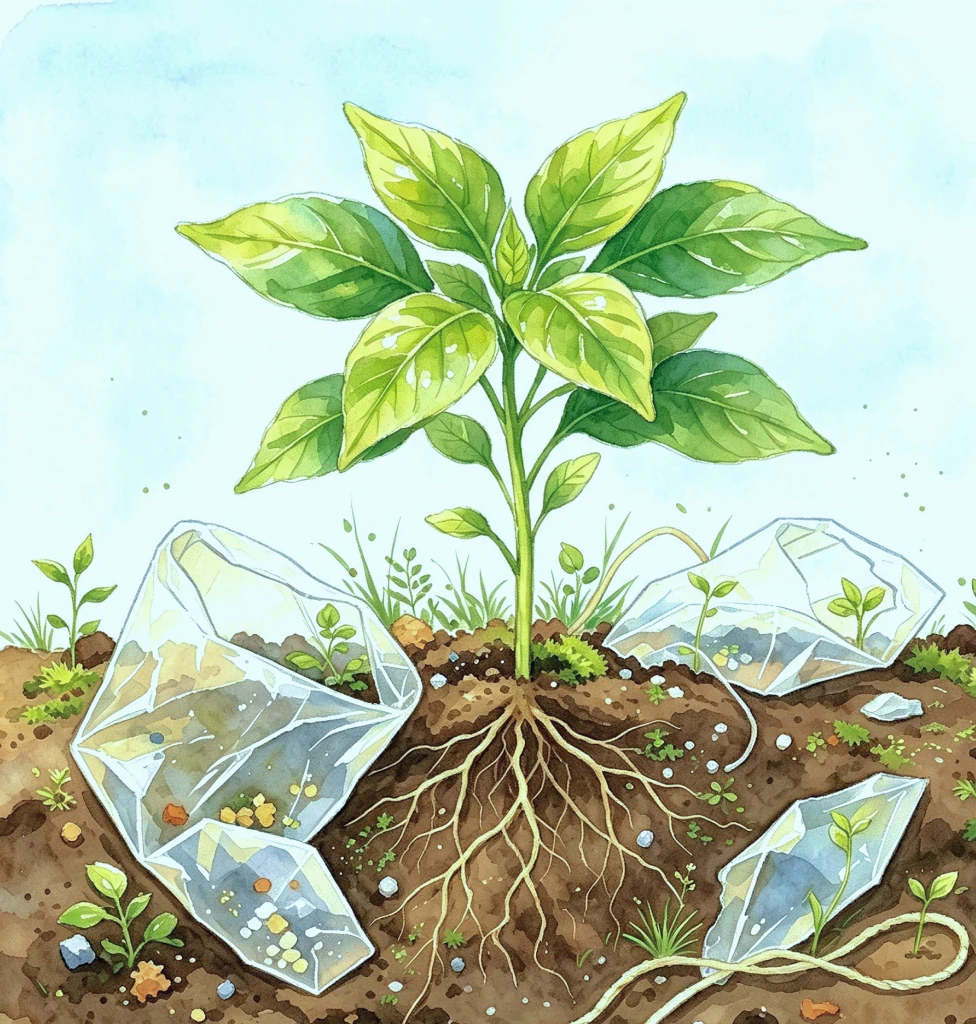
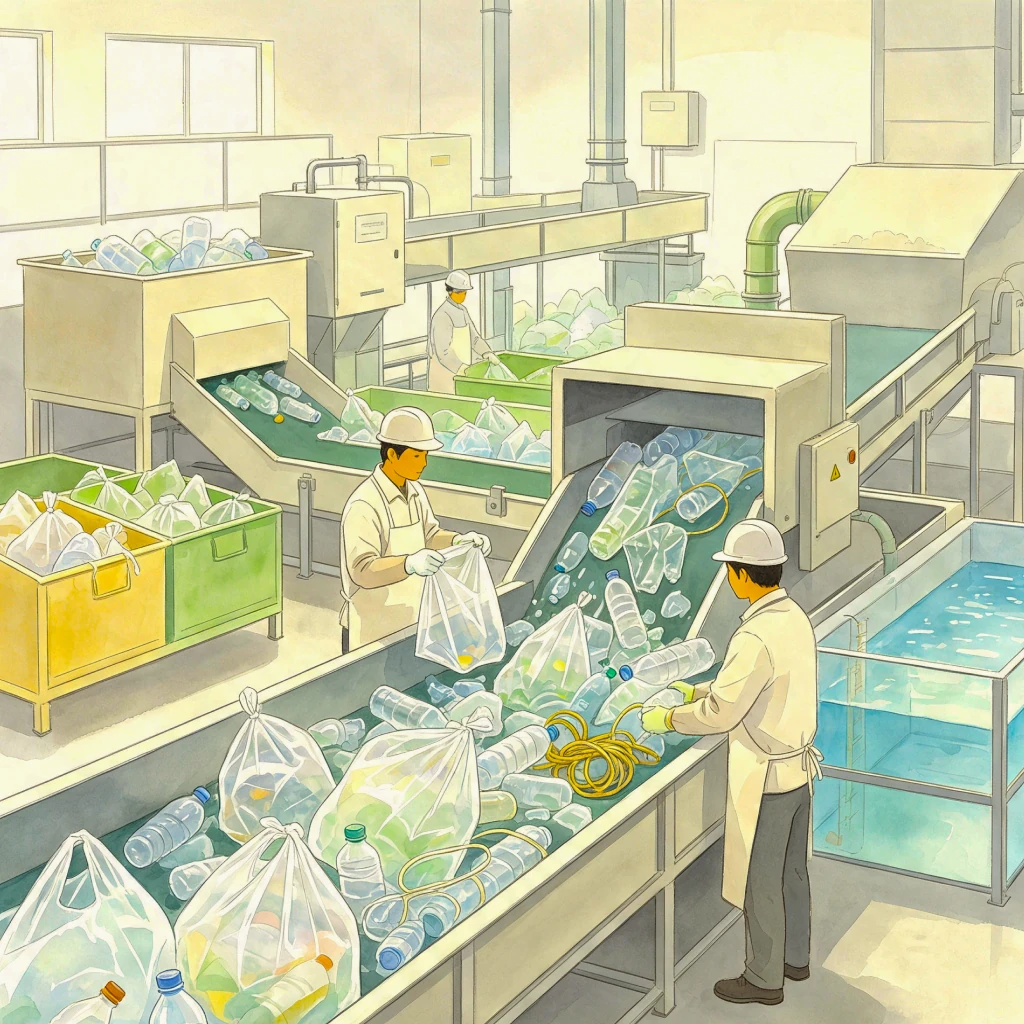
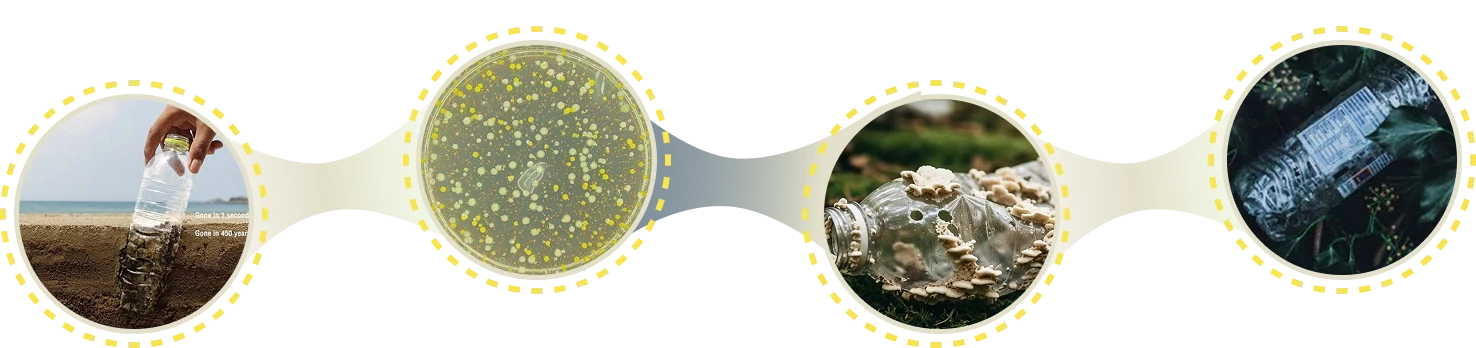
Plastic pollution has evolved into a far-reaching planetary ecological crisis. Discarded plastic bags, bottles and debris drift widely across oceans, posing deadly threats to marine life. Many creatures confuse plastic waste for food or become entangled in litter, which often leads to severe injury or death. Plastic waste also accumulates underground. Fragmented microplastics disrupt soil balance, hinder plant growth, and silently move up the global food chain. Although industrial plastic recycling facilities have been established worldwide, massive practical barriers persist. Contaminated and mixed plastic waste is difficult to reprocess, keeping the global plastic recycling rate persistently low. Plastics persist in nature for centuries, slowly breaking down into invisible microplastics that spread across land and sea. These tiny particles endanger wildlife and carry hidden, long-term health risks to humans. To mitigate this ongoing crisis, we must reduce reliance on single-use plastics, optimize recycling efficiency, and gradually shift toward sustainable, compostable eco-friendly alternatives.
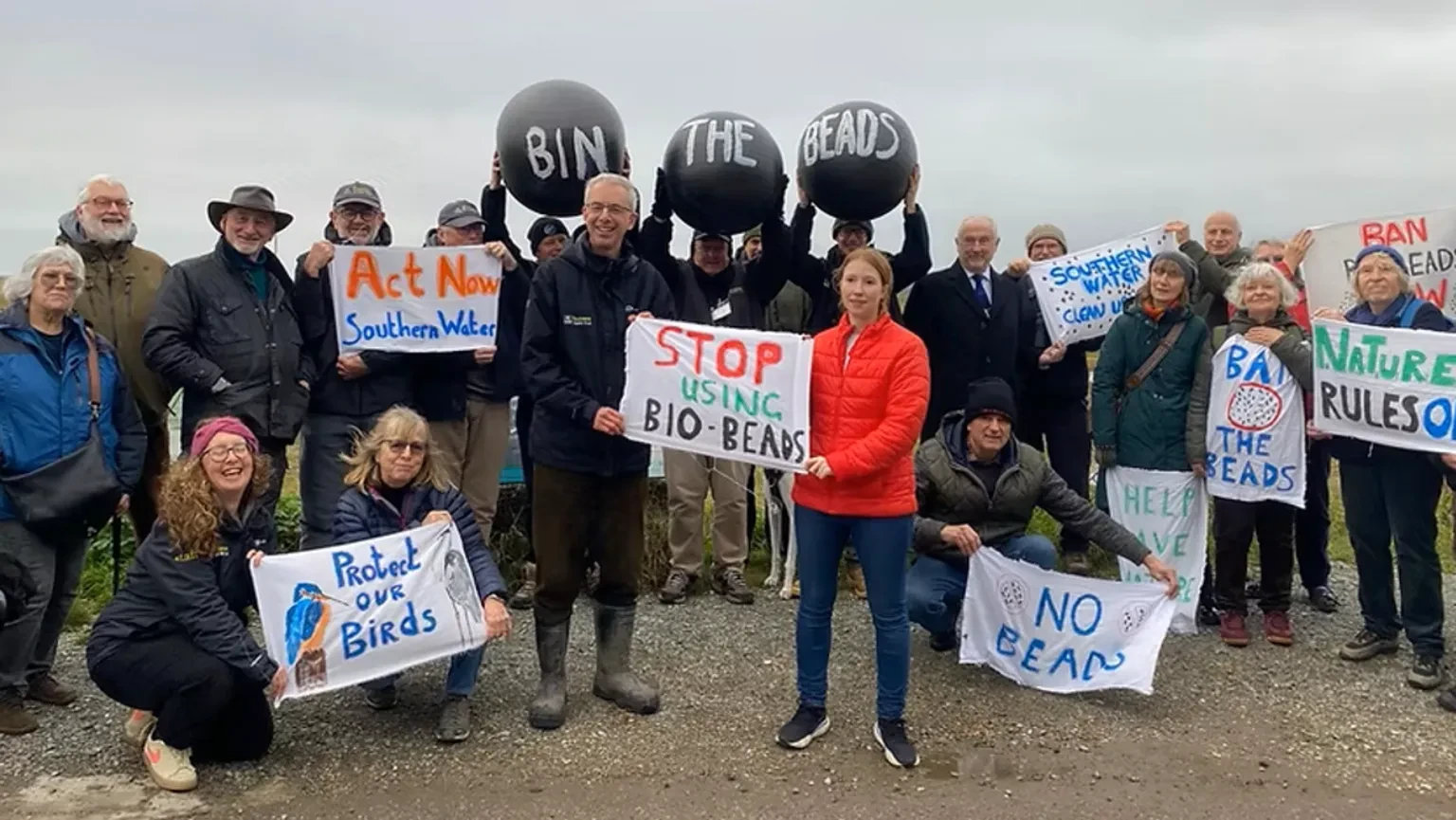
MP submits petition to ban plastic bio-beadsPlastic pellets washed up on beaches spark protestBan call on flying rings blamed for seal deathsMP submits petition to ban plastic bio-beadsPlastic pellets washed up on beaches spark protestBan call on flying rings blamed for seal deaths
Microplastics in over 75% of pet food, study findsOne woman's radio mission to beat Britain's litterEcologist calls for plastics ban in cemeteryMicroplastics in over 75% of pet food, study findsOne woman's radio mission to beat Britain's litterEcologist calls for plastics ban in cemetery
The Evolution
Common Degradation Methods
The BioMagic
Biodegradation
What Is Biodegradation
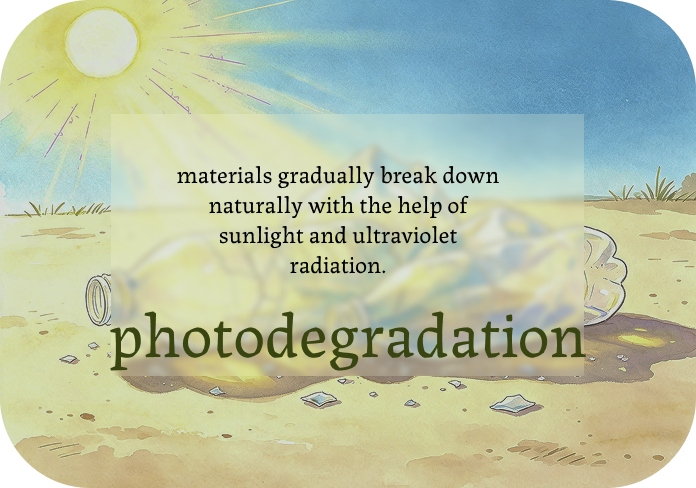
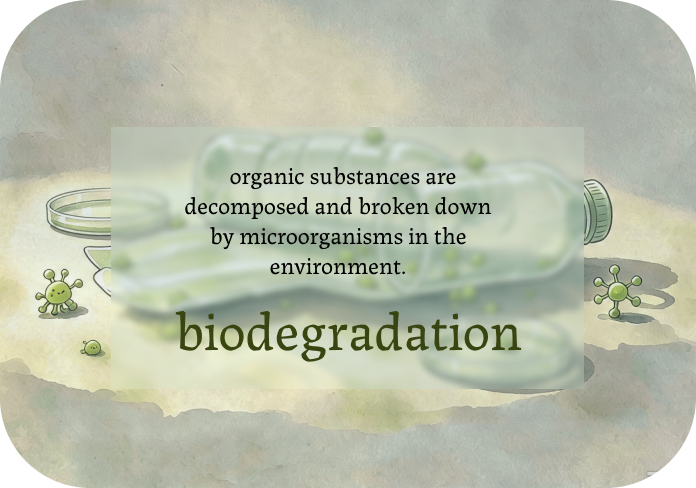
Biodegradation is a natural decomposition process driven by bacteria, fungi and other microorganisms. These tiny creatures secrete special enzymes to split long plastic molecular chains into water, carbon dioxide and biomass that rejoin the earth’s ecological cycle. Unlike photodegradation, it leaves no invisible microplastic fragments hidden in soil or seawater.
Common Misunderstandings of Biodegradation
Myth 1: All biodegradable plastic disappears in regular soil.
Fact: Most commercial biodegradable plastics require industrial compost facilities to fully decompose.
Myth 2: Biodegradable plastic can be thrown into the ocean.
Fact: Low seawater temperature suppresses microbial activity; biodegradable plastics still persist in marine environments for years.
Fact: Recycling and biodegradation work together. Recycling reuses existing plastic, while biodegradation handles single-use disposable plastic waste that cannot be recycled.
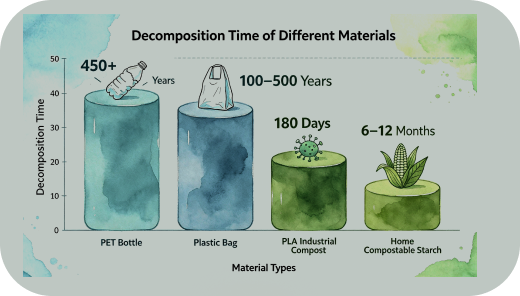
This bar chart compares decomposition cycles of petroleum plastics and plant-based biodegradable materials. Traditional plastic waste persists for centuries in nature, while qualified compostable bioplastics fully integrate back into ecosystems within one year under proper conditions.
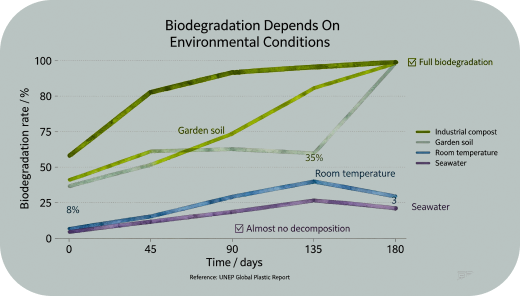
This line graph illustrates how environmental settings affect biodegradation rates over 180 days. Materials achieve full biodegradation in industrial compost, yet degrade poorly in garden soil, at room temperature, and especially in seawater. Biodegradable doesn't mean breaking down in natural surroundings. Proper waste treatment facilities are essential.
How We Can Apply Biodegradation in Daily Life
We can swap disposable petroleum plastic bags, tableware and packaging for home-compostable biodegradable products. Combined with waste classification and industrial compost infrastructure construction, biodegradation will drastically cut the global accumulation of plastic waste and ease the planetary plastic pollution crisis mentioned earlier.
Video
LCC-ICCG is a high-performance PET-degrading enzyme engineered through four-point mutagenesis, exhibiting excellent thermostability and catalytic efficiency. It efficiently depolymerizes PET plastic into terephthalic acid (TPA) and ethylene glycol (EG) monomers at 68°C, achieving a depolymerization rate of approximately 90% within 10 hours. It is widely recognized as the benchmark enzyme in the field of enzymatic plastic recycling.
This is a 15-second animated video of the LCC-ICCG hydrolysis process of PET substrates, providing as an example of biodegradation.